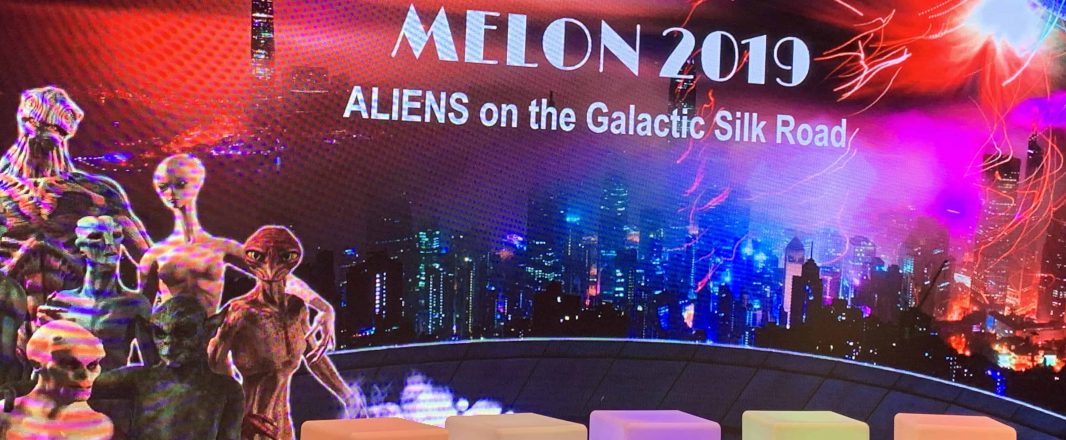
Science fiction has always informed the future and it was interesting to hear speakers at Melon, the sci-fi and fantasy conference address themes such as space travel, consumers wanting experiences, versus static content, the rise of China and the role of AI and machine learning to create stories and educate our children, trends that parallel what’s happening in travel.
It’s hard to believe that the movie, “Alien”, released in 1979, turns 40 years old this year because I remember that thing bursting out of John Hurt’s chest like it was yesterday.
“There are some moments in cinema that resonate and they contain images and ideas that we needed to see at that particular time, even if we aren’t ready for them,” said Alexandre Philippe, producer and director of the “Memory: The Origins of Alien” documentary which was presented at the Sundance Film Festival this year.
Philippe, speaking at the third Melon sci-fi and fantasy conference in Hong Kong, said the movie, the product of three geniuses – director Ridley Scott, writer Dan O’ Bannon and executive producer Ronald Shusett – was based on the Greek mythology of the furies, female deities of vengeance, and he shared the first drawing O’ Bannon did of the chest-busting scene.
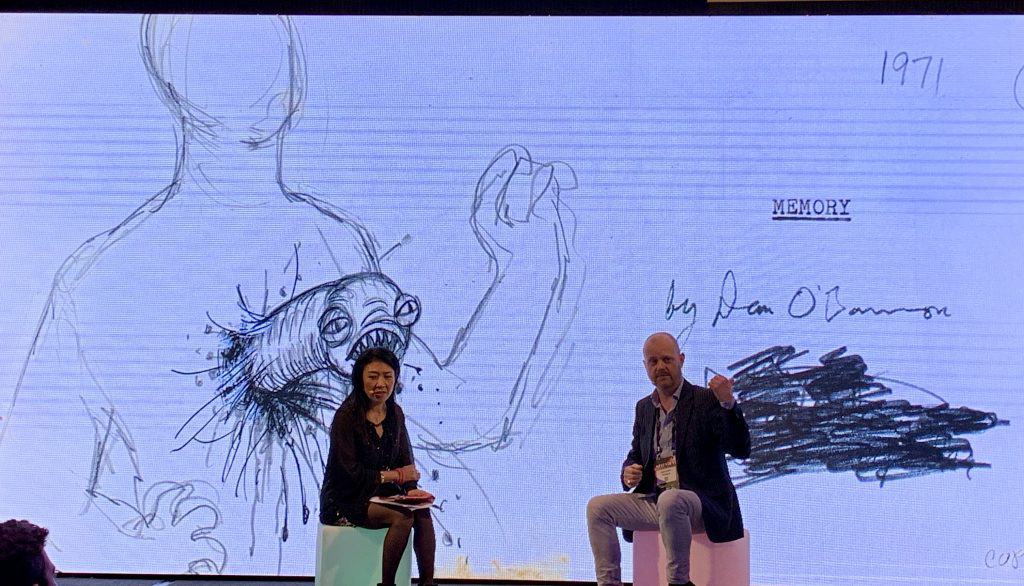
“As you can see, it doesn’t look that different from the final scene,” he said. Interestingly, he said, men found it harder to handle the scene than women because of the connotations of “penetration, rape and childbirth”.
In an earlier panel, Roger Garcia, film consultant, similarly echoed the power of movies like “Alien” to be ahead of audiences – “to give us something we didn’t think we need” – and that is the power of storytellers, said Melon’s founder, Fritz Demopoulos, “Even if audiences aren’t ready, there is a creative opportunity to influence society.”
As I listened to the day’s discussion, which revolved around the theme of “Aliens on the Galactic Silk Road” and which involved a small but highly engaged community of authors, scientists, film makers, publishers, distributors and fans of sci-fi and fantasy, I realise I was observing what could be the future of travel, from the influence o science on the evolution of humanity to the very real possibilities of space travel, and the role of AI and machine learning in creating stories, be it fiction or copywriting.
Here’s what I learnt.
- Aliens have become real
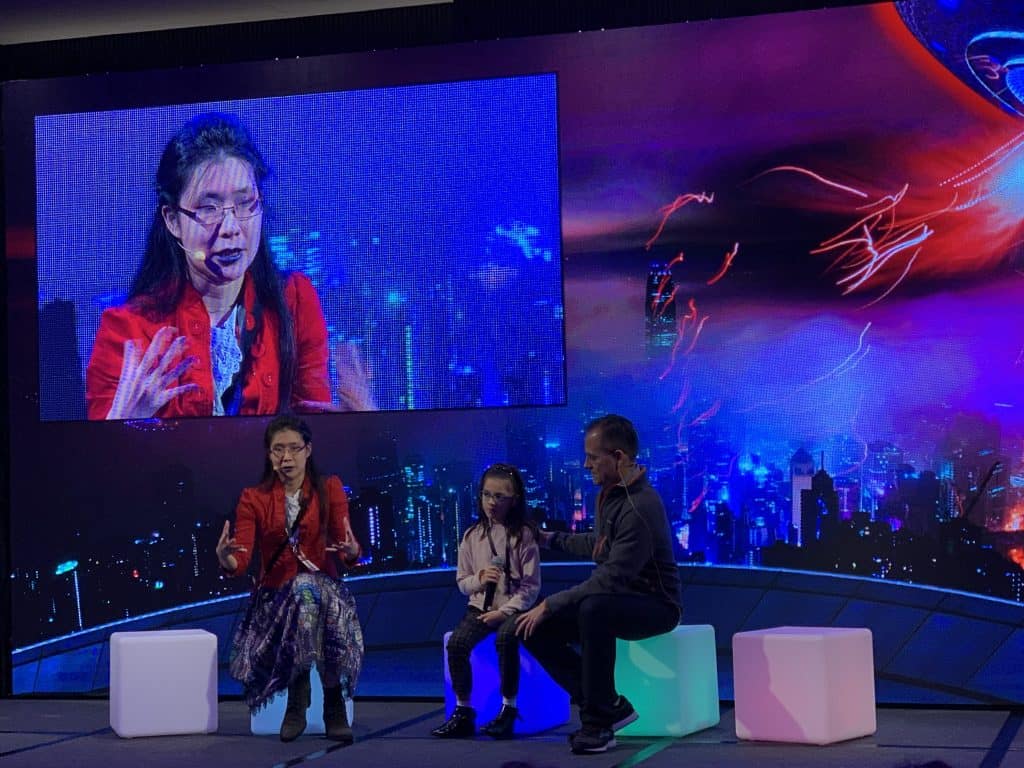
Fritz Demopoulos, founder of Melon, with daughter Emma interviewing Jeanette Ng, author of “Under The Pendulum Sun”, winner of Best Newcomer at British Fantasy Awards
“For the first time,” said Demopoulos, who has his travel roots in Qunar, the travel search site he founded in China with two co-founders, “aliens have become real in our lives.”
He rattled off a string of developments – the fusion of man with machine, alien hunters and astro physicists in the search and study of external life forms; NASA’s Transiting Exoplanet Survey Satellite, or TESS, finding eight confirmed planets in its first four months of observing; the 50th anniversary of man landing on the moon …
Plus, “AI and data giving rise to a lot of concerns over privacy and forcing us to buy products or watch bad TV shows, CRISPR gene editing tool capable of making designer babies – fantasy and sci-fi refocuses our attention on real life issues,” he said.
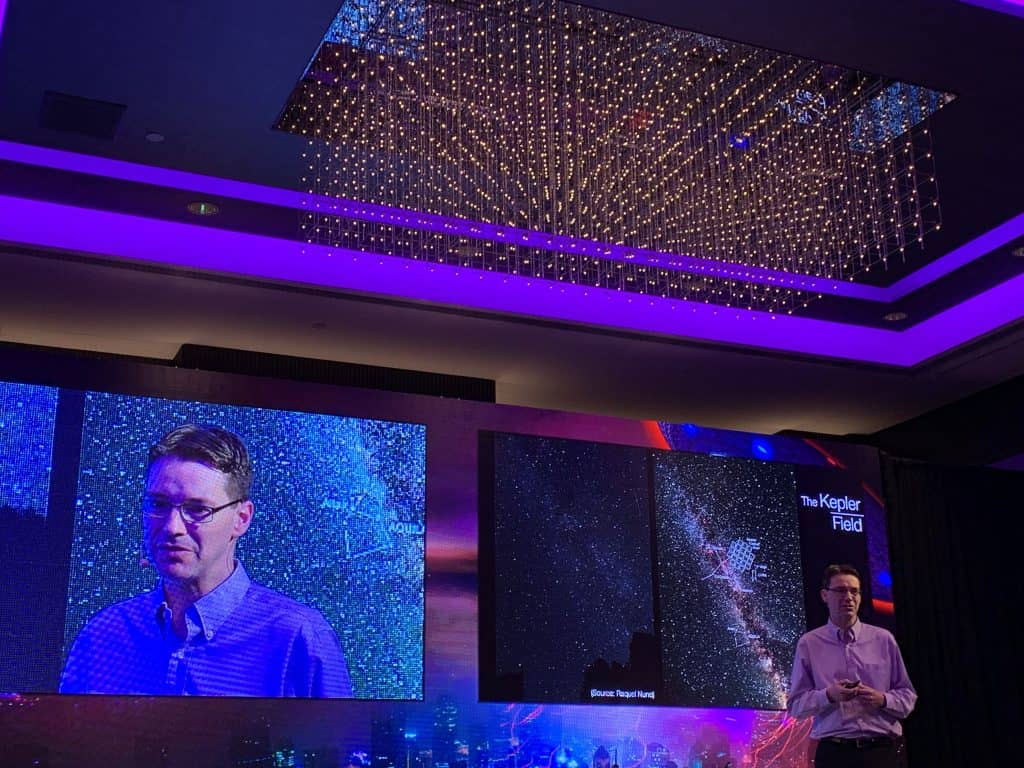
What’s happening for real is the search for other life in the universe. Prof Jean-Luc Margot, professor of astronomy and leading SETI (Search for Extra-Terrestrial Intelligence) researcher, spends his time searching for bio signatures and believes investments should also be made in the search for techno signatures, which would be easier to detect.
“Imagine what we can learn if we can establish contact? How did we end up with this beautiful planet and life forms that can walk, talk, and feel and think?” asked the professor for whom the asteroid 9531 Jean-Luc is named.
Given that every star on Earth has a planet, there are literally hundreds of billions of planets, and it would take 3,000 years to complete the count just in our galaxy, and imagine there are 2.3 trillion galaxies.
“It would be like counting the grains of sand on all the beaches of the world. Then you ask, which are habitable, and has potential for life? And we have a universe teeming with life.”
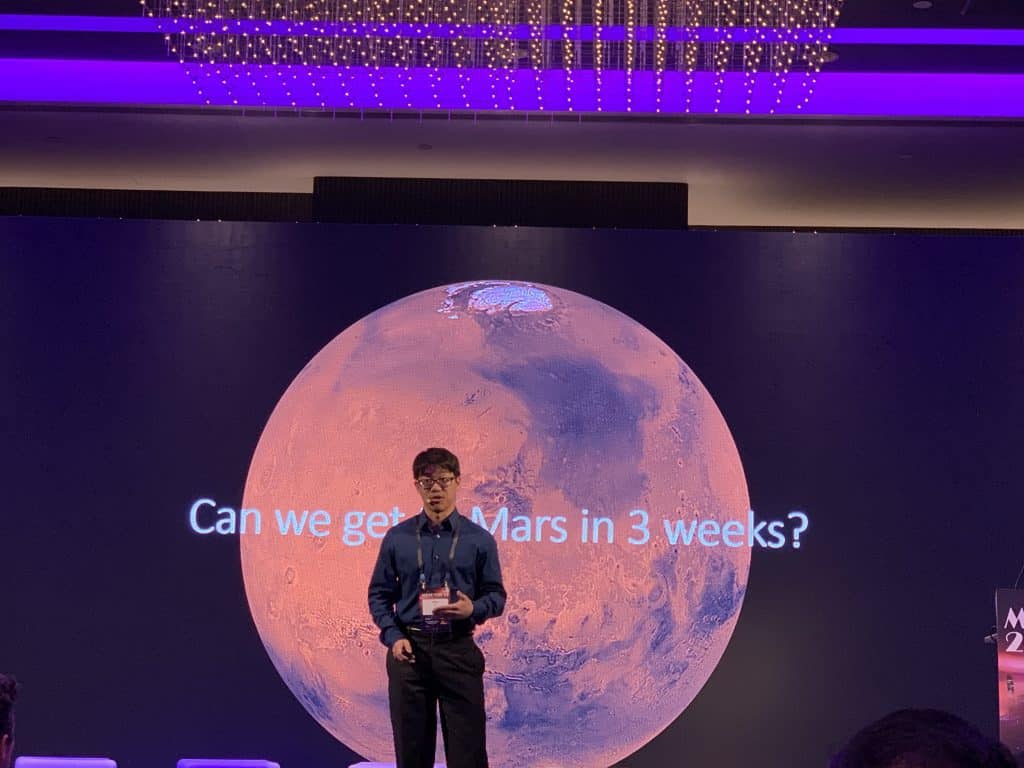
Lesson for travel: It makes you wonder what space tourism could look like and what attractions we could visit in future. It was interesting to hear Gary Li, Fellow and senior researcher at UCLA Plasma and Space Propulsion Laboratory, talk about the work being done to develop rockets that could travel to Mars in his talk, “All aboard the Mars Express! Three weeks to the Red Planet”. Likening it to putting a “miniature sun in a rocket chamber”, he said, “We are witnessing the beginning of space travel revolution.”
- 2. Chinese sci-fi is becoming real
It started with “The Three Body Problem” by Chinese writer Liu Cixin, the first Chinese sci-fi novel to break through globally. And now comes the movie “The Wandering Earth”, based on the novella of the same name by the same author, ushering in what hopefuls are calling the golden age of Chinese sci-fi.
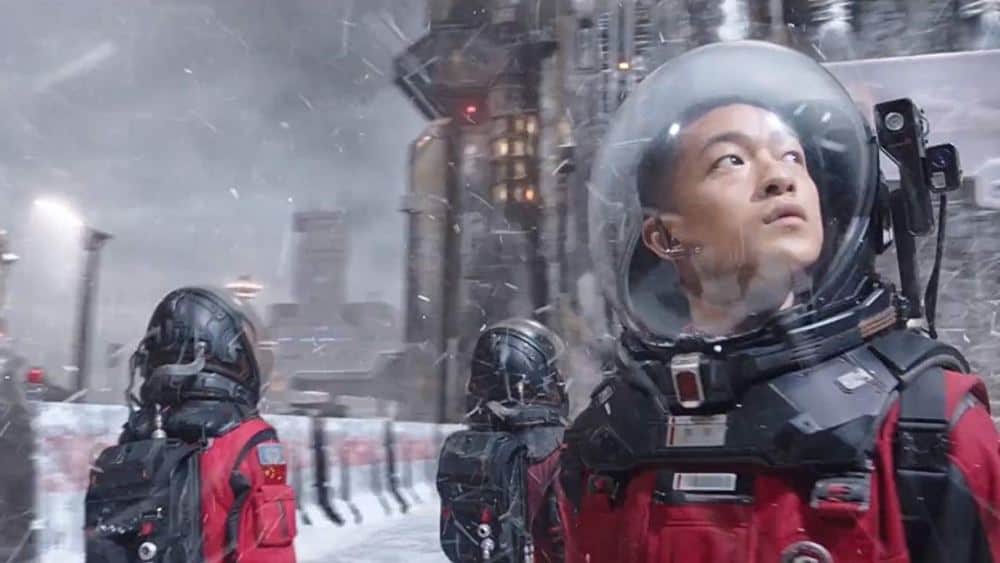
A box office success in China, it has grossed over $699 million worldwide and received positive reviews from Hollywood critics. One called it “China’s first full scale interstellar special” and Netflix has acquired global rights for distribution.
Film consultant Garcia said the movie’s “cultural background, with the theme of going home, resonated with Chinese people, a collective achievement, not individualistic”.
Having said that, Garcia said sci-fi is not a new concept in Asia. “Hong Kong and China movies have always had sci-fi elements, martial arts fantasy, swordplay and fighting in underworlds, those were produced in the 60s. Their action is non-gravity and that’s a sci-fi concept, where narrative is not bounded by physical gravity.”
He reminded audiences Japan’s Astro Boy was created in the 50s/60s and is one of the highest-grossing manga/anime media franchises.
“It is no longer true that Western is the benchmark today. Stories today need a more plural way of thinking, rather than lazy stereotypes, sci-fi needs to explore our new plural world, and not lump Eastern philosophy into one basket.”
What Hollywood is good at though is “it is 100 years old, it knows how to reach global audiences”.
Lesson for travel: Chinese brands are globalizing and making their mark, but have a lot to learn from Western counterparts which are ahead of the game especially when it comes to marketing across borders. The key question is, can Chinese models work outside their home market? It will be interesting to see if “The Wandering Earth” achieves similar cult status like “Alien” 40 years on.
- 3. The Internet is really good for creators
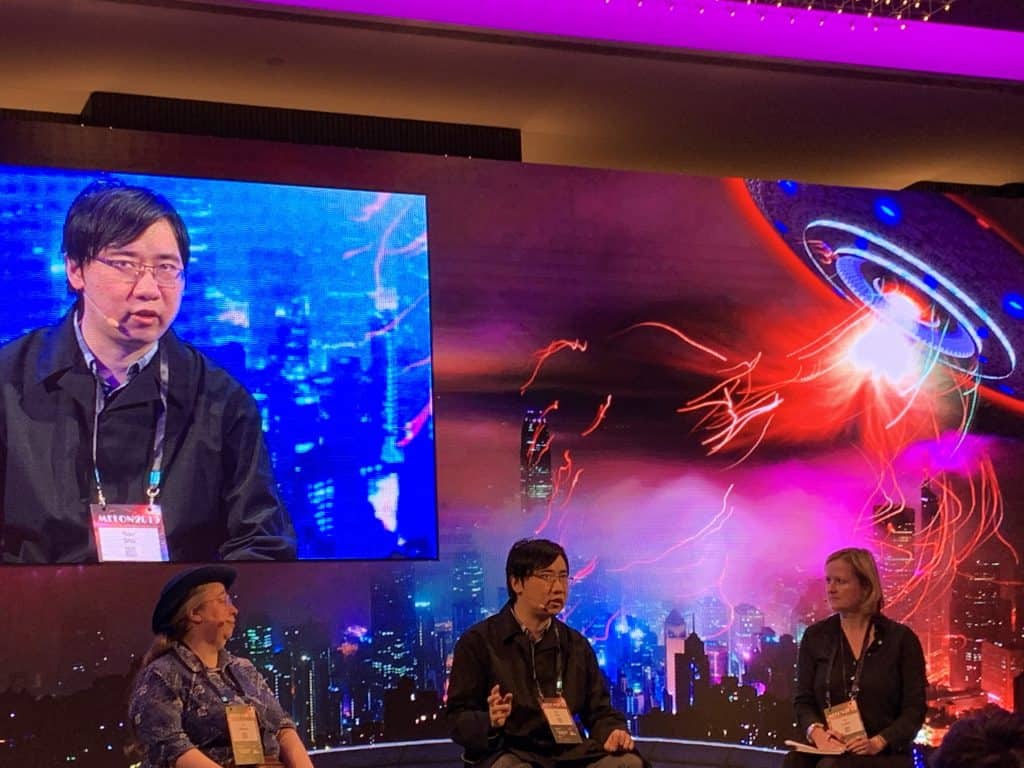
The story of Jo Walton, Hugo and Nebula-award winning author of “Among Others” and “Tooth & Claw”, resonated with me. “As a teen, I wanted to write. They were awful. I wasn’t very good in college either. Then I met my first husband, and joined a writer’s group. I gave up after that. I quit. I stopped writing. That’s why we aren’t together anymore,” she said, laughing.
“While I stopped, some people invented the Internet. It was 1994, I was 30 years old. People took me seriously on the Internet. They took my ideas seriously. That encouraged me. So the moral of the story, when I stopped to do it, I was good.”
Her first book was rejected. Her publisher said, “Write something else.” Now she writes a book a year. “Have people you trust, who are in sympathy with what you write. See past what it is to what it could be. Who would hate that? Why would they hate it? Stories happen in the cracks between two cultures,” she said.
Lesson for travel: The Internet similarly unleashed countless content creators and now everyone wants to inspire everyone else – so much so that even sunsets have become commoditised on Instagram. There’s much to learn from authors like Walton and Bao Shu, Nebula Award-winning author of “Three Body X” and “Ruins of Time” who believe “less is more” and often you have to stop to think before you create. The age of instant media does not encourage forethought unfortunately.
- 4. Stories and experiences are critical to reaching today’s consumers
Writing and publishing a book or producing a movie is one thing, but how do you reach your customers? It’s the age-old question facing every product or service.
Marcel Fenez, president of Fenez Media, said, “We are at a stage when consumers have never enjoyed and consumed as much content as today. We are engaging with it more, but we value it less and we are not paying as much for it.”
As such, he said, brands are turning away from traditional advertising and asking, “how can we engage with the consumers who are looking for experiences.”
Scarlett Li, who founded Zebra Media, known as China’s most innovative entertainment and live event platform, agrees. “The key to unlocking wallet is a deeper experience.”
Zebra Media organises one of the largest music festivals in China, the Zebra Music Festival (ZMF), attracting more than 150,000 people each festival at multiple locations in China. Zebra Media also owns the interactive live-cast platform “Showtime”, which promotes celebrities, trend setters and influencers on its mobile apps.
“You need great content and you unleash it by creating live experiences. Traditional business models do not work anymore,” said Li, who prior to starting Zebra Media in 2018, sold R2G Limited, a music rights clearance company, to Tencent Music Entertainment in 2016.
Sci-fi content has moved from a sub-culture to mainstream, she said. “Cyber space, games, EDM – everything is sci-fi. Daft Punk created a machine language in their music, they were inspired by sci-fi. When we do festivals, when we design the stage, there’s a story behind it.
“China has lots of shopping malls, but now everyone shops online. But now they are going back to malls – because they’ve been turned into restaurants, art spaces, movie theatres, experience centres. There is a huge opportunity to create a new form of media to interpret their stories.”
Fenez and Li both agree though that whatever the medium or experience, the most important thing is to have good stories. “Be patient, write good stories, write for your audience.”
Lesson for travel: Everyone in travel is also talking about creating experiences, but you cannot create an experience without a good storyline. This trend towards live events is also huge for travel – think about it, every travel moment is a live experience.
- 5. Can machines write better stories than humans?
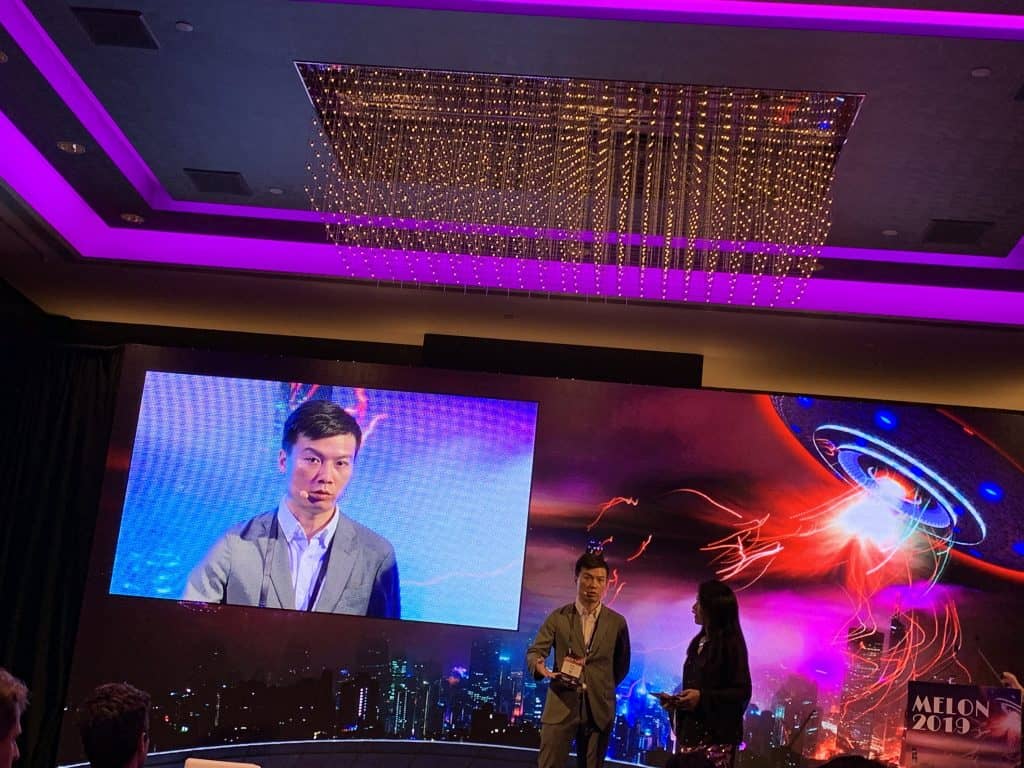
It was inevitable that the discussion would flow to the role of AI and machine learning in fiction writing as well as education.
Robbie Stamp, executive producer of “The Hitchhiker’s Guide To The Galaxy” and former collaborator with Douglas Adams, sits on a British governmental committee on the ethics of AI which he said was a misnomer in itself. “AI cannot be ethical because ethics is about feelings. AI can be responsible but cannot be accountable.”
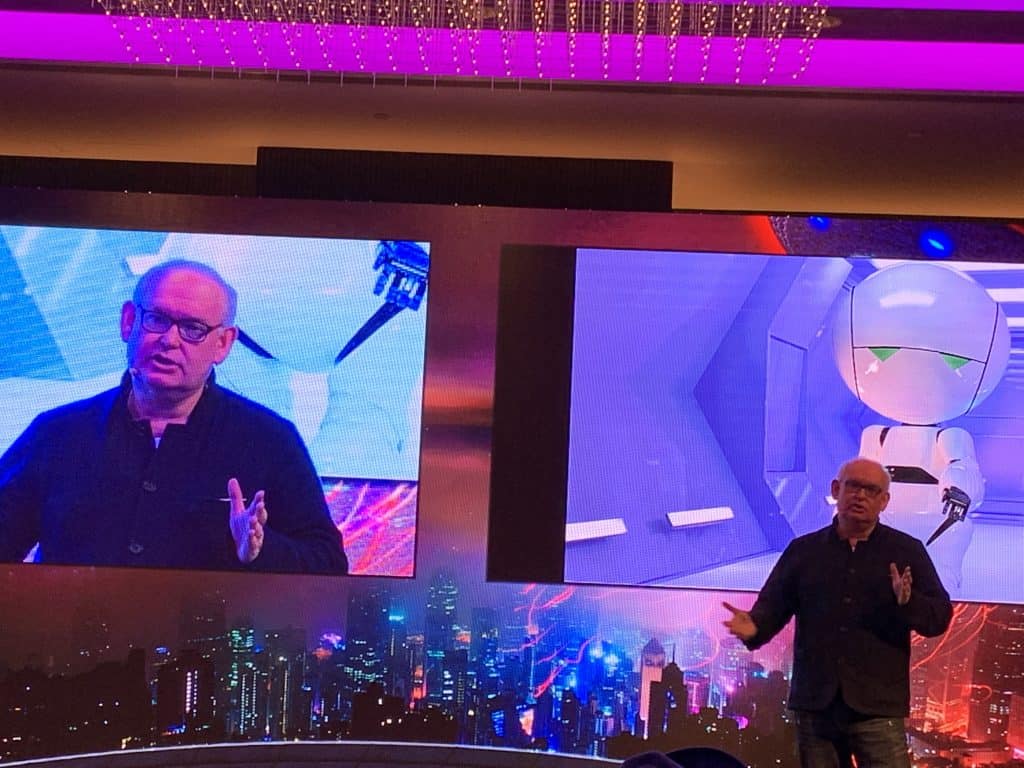
Adams was fascinated with perspective and his creation of Marvin The Paranoid Android in his book was way ahead of its time. “Marvin was an example of what happens when we put AI into our judgement, how we feel when we are out of control.”
Film consultant Garcia is curious about whether AI could create a movie. “Probably yes, but whether it’d be any good, I don’t know.” But what’s interesting to him is the notion of “stories derived from machine consciousness that humans cannot understand”.
Chen Qiufan, aka Stanley Chan, Chinese writer, screenwriter and columnist, last year experimented with machine learning to collaborate on a story. Chan, who previously worked for Google, Baidu, and a VR/Mocap leading Startup Noitom Technology for over 10 years, said, “I used deep learning algorithm to write my story, to understand how machines can help us and change the way we perceive the world.”
He was pleased with the result. “You never know what’s going to happen next.” What did happen the day of Melon though was great news for Chan – he got word that Johnny Depp’s studio was interested in picking up rights for his short story ‘The Year of The Rat’.
For Andrew Kwan, CEO, Edore and education industry entrepreneur, the biggest role governments can play in the age of AI is retraining for people who may lose their jobs. “It is their role to retrain people but governments are motivated by voters.”
He does not believe robots will ever replace teachers. “Most of us have had teacher who have had impact on our lives. Education is about content delivery, yes machines can be more efficient at that, but we know we need more than content delivery.”
The goal of parents and teachers is to help kids find their inner superpower and “get them excited about life.”
Lesson for travel: There are travel brands now that are using AI tools to create advertising copy. I spoke to a media agency who said it wasn’t all there yet. “It’s the 10% the machine cannot get right that makes it difficult to go fully AI.” Somehow, we have to learn to blend man and machine.
Finally, when I asked Aliette de Bodard, a software engineer turned author (her award-winning novel is “House of Shattered Wings”) what dream software she would like to write, she said, “An AI tool that would help me socialize, because I am socially awkward.”
In other words, an AI with empathy. Now who doesn’t dream of that?